Print
Print Email
Email
Heavy snowfall and extreme cold can immobilize an entire region. Even areas that normally experience mild winters can be hit with a major snowstorm or extreme cold. Winter storms can result in flooding, storm surge, closed highways, blocked roads, downed power lines and hypothermia.
Know the Terms
Familiarize yourself with these terms to help identify a winter storm hazard:
Freezing Rain: Rain that freezes when it hits the ground, creating a coating of ice on roads, walkways, trees, and power lines.
Sleet: Rain that turns to ice pellets before reaching the ground. Sleet also causes moisture on roads to freeze and become slippery.
Winter Storm Watch: A winter storm is possible in your area. Tune in to NOAA Weather Radio, commercial radio, or television for more information.
Winter Storm Warning: A winter storm is occurring or will soon occur in your area.
Blizzard Warning: Sustained winds or frequent gusts to 35 miles per hour or greater and considerable amounts of falling or blowing snow (reducing visibility to less than a quarter mile) are expected to prevail for a period of three hours or longer.
Frost/Freeze Warning: Below freezing temperatures are expected.
Protective Measures at Home
Before Winter Storms and Extreme Cold Include the following in your disaster supplies kit:
- Rock salt to melt ice on walkways
- Sand to improve traction
- Snow shovels and other snow removal equipment.
Prepare for possible isolation in your home by having sufficient heating fuel; regular fuel sources may be cut off. For example, store a good supply of dry, seasoned wood for your fireplace or wood-burning stove.
Winterize your home to extend the life of your fuel supply by insulating walls and attics, caulking and weather-stripping doors and windows, and installing storm windows or covering windows with plastic.
Winterize Your Car
- Battery and ignition system should be in top condition and battery terminals clean.
- Ensure antifreeze levels are sufficient to avoid freezing.
- Ensure the heater and defroster work properly.
- Check and repair windshield wiper equipment; ensure proper washer fluid level.
- Ensure the thermostat works properly.
- Check lights and flashing hazard lights for serviceability.
- Check for leaks and crimped pipes in the exhaust system; repair or replace as necessary. Carbon monoxide is deadly and usually gives no warning.
- Check breaks for wear and fluid levels.
- Check oil for level and weight. Heavier oils congeal more at low temperatures and do not lubricate as well.
- Consider snow tires, snow tires with studs, or chains.
- Replace fuel and air filters. Keep water out of the system by using additives and maintaining a full tank of gas.
Dress for the Weather
- Wear several layers of loose fitting, lightweight, warm clothing rather than one layer of heavy clothing. The outer garments should be tightly woven and water repellent.
- Wear mittens, which are warmer than gloves.
- Wear a hat.
- Cover your mouth with a scarf to protect your lungs.
What to Do During a Winter Storm
The following are guidelines for what you should do during a winter storm or under conditions of extreme cold:
- Listen to your radio, television, or NOAA Weather Radio for weather reports and emergency information.
- Eat regularly and drink ample fluids, but avoid caffeine and alcohol.
- Avoid overexertion when shoveling snow. Overexertion can bring on a heart attack, a major cause of death in the winter. If you must shovel snow, stretch before going outside.
- Watch for signs of frostbite. These include loss of feeling and white or pale appearance in extremities such as fingers, toes, ear lobes, and the tip of the nose. If symptoms are detected, get medical help immediately.
- Watch for signs of hypothermia. These include uncontrollable shivering, memory loss, disorientation, incoherence, slurred speech, drowsiness, and apparent exhaustion. If symptoms of hypothermia are detected, get the victim to a warm location, remove wet clothing, warm the center of the body first, and give warm, non-alcoholic beverages if the victim is conscious. Get medical help as soon as possible.
- Conserve fuel, if necessary, by keeping your residence cooler than normal. Temporarily close off heat to some rooms.
- Maintain ventilation when using kerosene heaters to avoid build-up of toxic fumes. Refuel kerosene heaters outside and keep them at least three feet from flammable objects.
- Drive only if it is absolutely necessary. If you must drive, consider the following:
- Travel in the day, don't travel alone, and keep others informed of your schedule
- Stay on main roads; avoid back road shortcuts
What to Do If Trapped in a Car
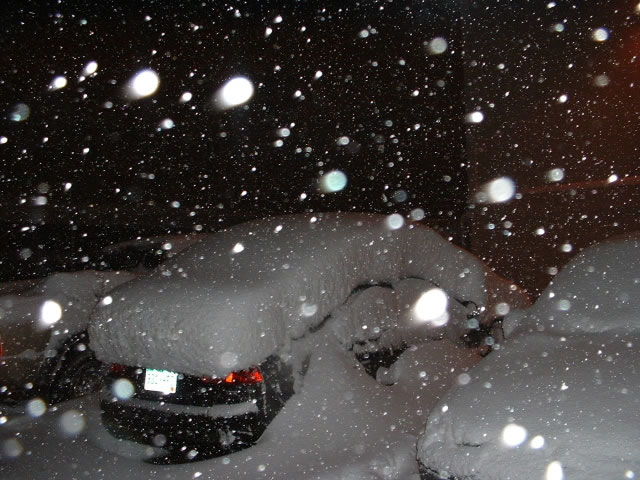
- Pull off the highway. Turn on hazard lights and hang a distress flag from the radio antenna or window.
- Remain in your vehicle where rescuers are most likely to find you. Do not set out on foot unless you can see a building close by where you know you can take shelter. Be careful; distances are distorted by blowing snow. A building may seem close, but be too far to walk to in deep snow.
- Run the engine and heater about 10 minutes each hour to keep warm. When the engine is running, open an upwind window slightly for ventilation. This will protect you from possible carbon monoxide poisoning. Periodically clear snow from the exhaust pipe.
- Exercise to maintain body heat, but avoid overexertion. In extreme cold, use road maps, seat covers, and floor mats for insulation. Huddle with passengers and use your coat for a blanket.
- Take turns sleeping. One person should be awake at all times to look for res-cue crews.
- Drink fluids to avoid dehydration.
- Be careful not to waste battery power. Balance electrical energy needs - the use of lights, heat, and radio - with supply.
- Turn on the inside light at night so work crews or rescuers can see you.
- If stranded in a remote area, stomp large block letters in an open area spelling out HELP or SOS and line with rocks or tree limbs to attract the attention of rescue personnel who may be surveying the area by airplane.
- Leave the car and proceed on foot - if necessary - once the blizzard passes.
For More Information
If you require more information about any of these topics, the following are resources that may be helpful.
Publications
National Weather Service: Winter Storms The Deceptive Killers. Brochure packed with useful information including winter storm facts, how to detect frostbite and hypothermia, what to do in a winter storm, and how to be prepared.
Centers for Disease Control and Prevention: Extreme Cold: A Prevention Guide to Promote Your Personal Health and Safety. An extensive document providing information about planning ahead for cold weather, safety both indoors and outdoors in cold weather, and cold weather health conditions.